


Humerus Series – Distal Humerus Locking Compression Plate
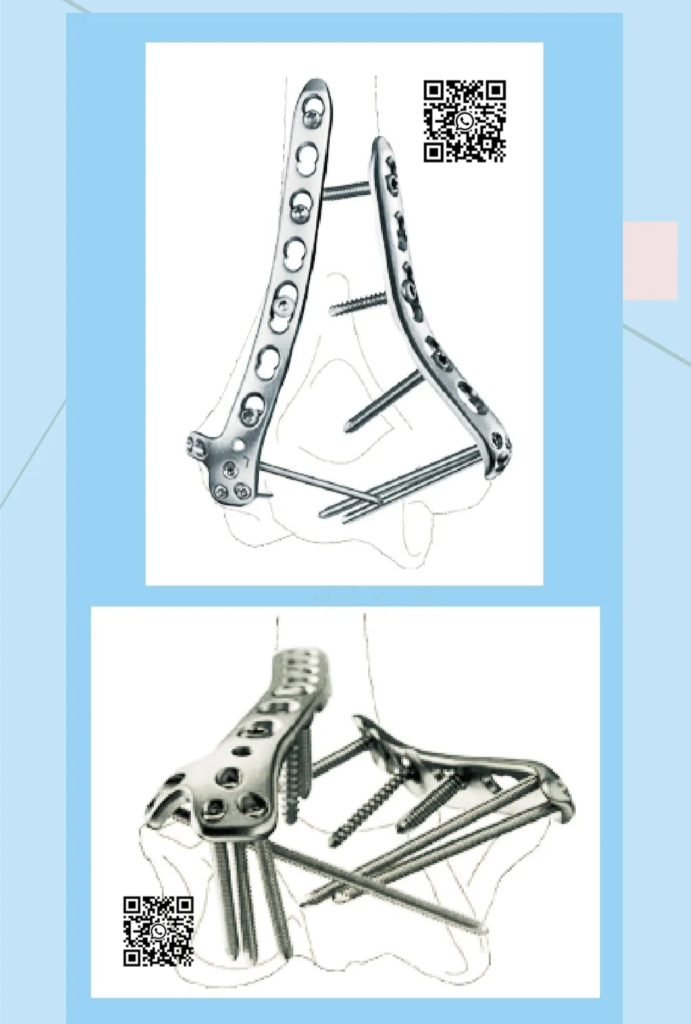
Distal humeral fractures account for 2% of all fractures in the body and 33% of humeral fractures, which are very challenging for surgeons. The elbow joint is one of the most complex joints, including the humero-ulnar joint, humeroradial joint, and superior radioulnar joint. The most common complications of distal humeral fractures are stiffness, nonunion, infection, […]
Supracondylar femoral fractures, what are the dangers and pitfalls?
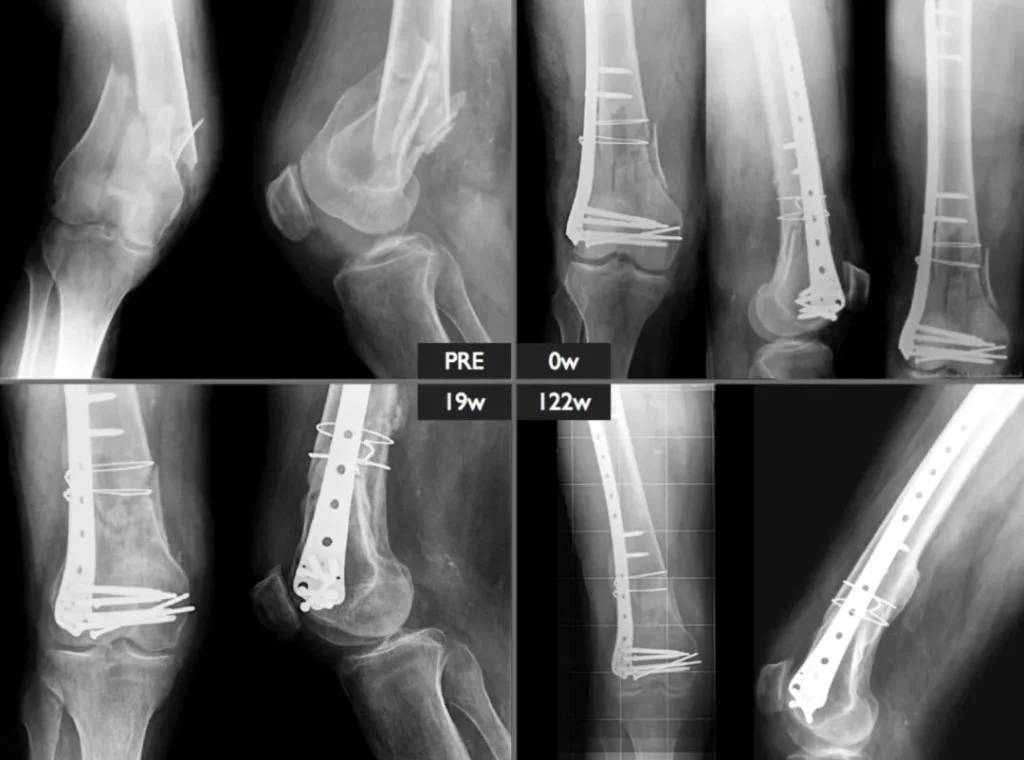
Supracondylar femur fractures present unique challenges for orthopedic surgeons, particularly in the context of an aging population and increasingly active lifestyles. This article will delve into the pitfalls and danger points associated with these fractures, arming young orthopedic surgeons with the knowledge needed to avoid complications and achieve optimal patient outcomes. Understanding the Complexity Supracondylar […]
How to treat spinal fractures? An article from NCBI, USA
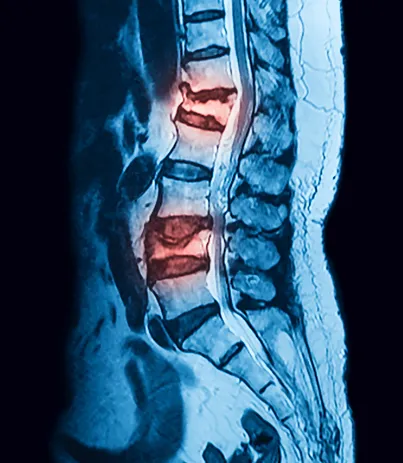
Vertebral fractures can result from trauma and metastatic disease but, in most cases, are the result of osteoporosis. This activity describes the evaluation and treatment of vertebral fractures and highlights the appropriate use of surgical intervention and the role of the healthcare team in managing patients with this condition. Objectives: Introduction The vertebrae are bones […]
50 knowledge points in hand surgery that are easily misunderstood by doctors
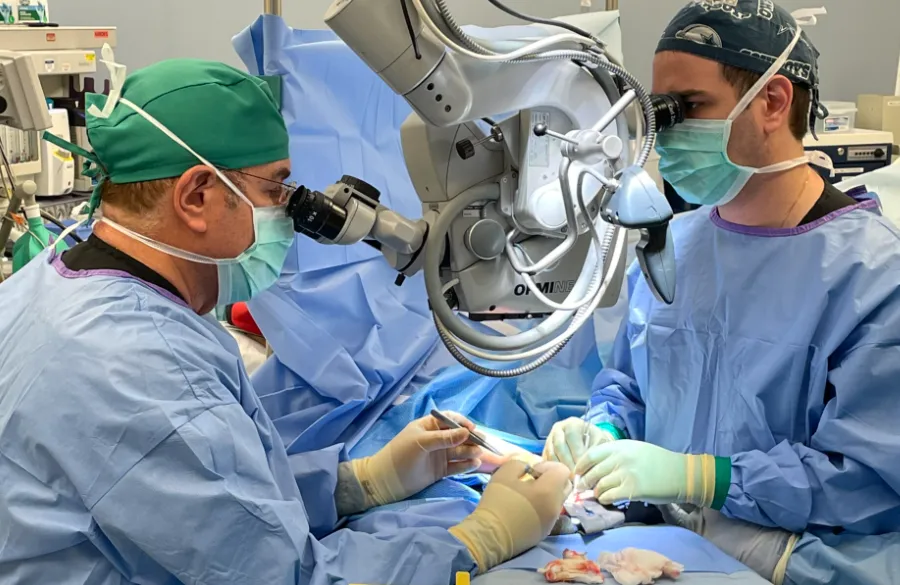
General Concepts : 1. Epinephrine Use: While historically feared due to vasoconstriction risk, epinephrine can be safely used in digital blocks at diluted concentrations (1:200,000 or 1:400,000), with careful aspiration, and potential phentolamine reversal (0.5% solution). Monitor perfusion closely. 2. Betadine and Bone: Betadine, while an effective antiseptic, has been shown to be cytotoxic to osteoblasts in vitro. Irrigate exposed […]
Wound foreign body removal: tips, tricks, and considerations
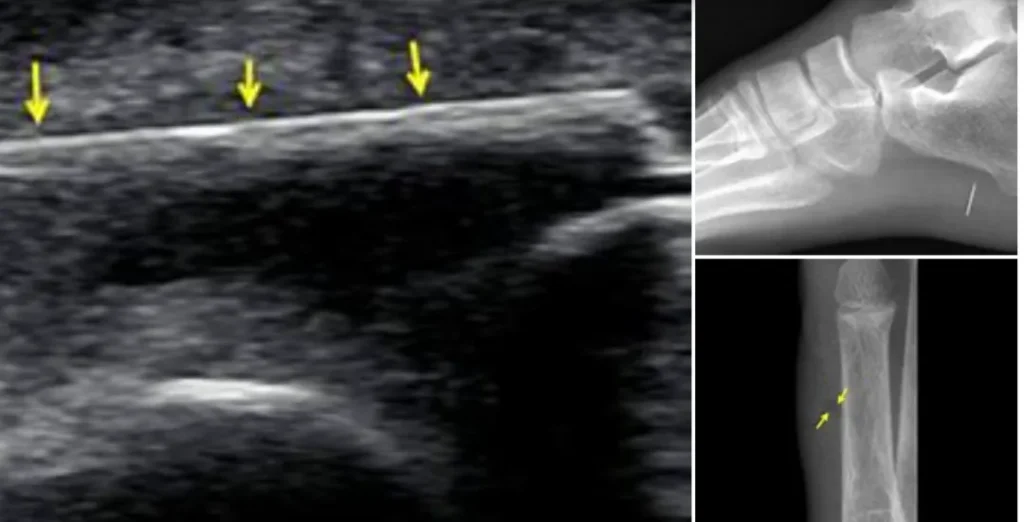
Soft tissue foreign bodies or wounds associated with foreign bodies result from blunt/abrasive trauma or penetrating trauma. Patients may present early or late with a plethora of symptoms and signs. The foreign bodies can be divided into three groups according to their composition: (a) metallic, (b) organic, and (c) inorganic. This activity reviews the indications, […]
HSS Case: Surgical Correction of Proximal Humeral Varus and Retroversion Deformity in Adolescents
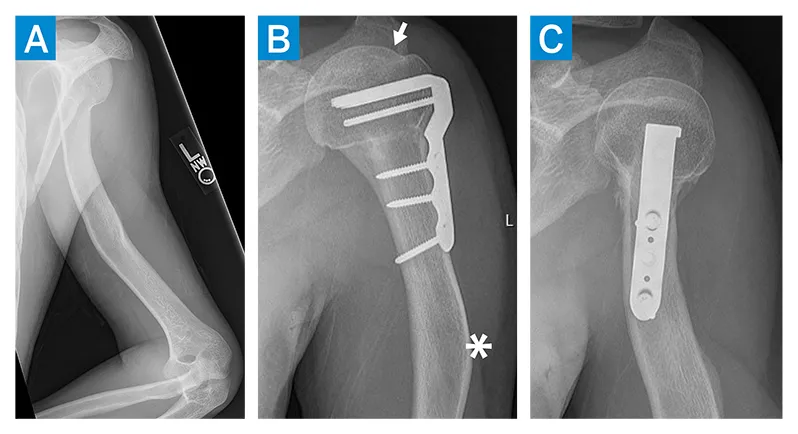
Operative Correction of Proximal Humerus Varus and Retroversion Deformity in an Adolescent HSS is the #1 orthopedic hospital in the world. This content was created by our physicians and experts. ByPeter D. Fabricant, MD, MPH; Nicolas Pascual-Leone, BA; Samuel A. Taylor, MD FromGrand Rounds from HSS: Management of Complex Cases | Volume 11, Issue 1 Case Report A 16-year-old […]
Introducing a special type of forearm injury: the “reverse Essex-Lopresti injury”
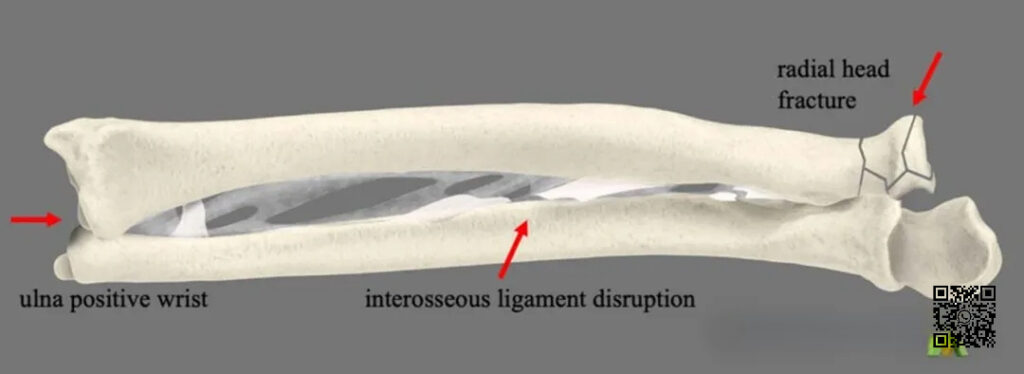
▲ Diagram showing the pattern of Essex-Lopresti injury. ▲ The figure shows a typical case of Essex-Lopresti injury. It can be seen that the radial head is comminuted, the proximal radius of the distal radioulnar joint is displaced, and the ulnar styloid process shows positive variation. Essex-Lopresti injury is relatively rare in clinical practice. In […]
Surgical skills | Using “calcaneal anatomical plate” for internal fixation to treat greater tuberosity fractures of the humerus
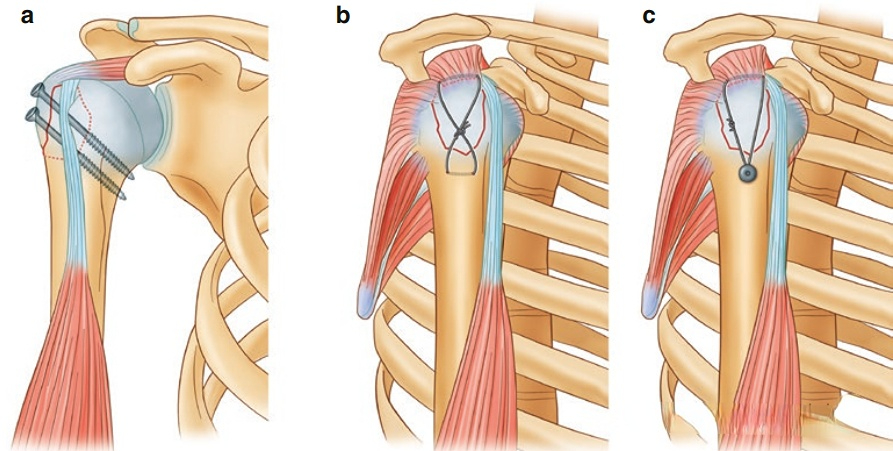
Humeral tuberosity fracture is a common shoulder injury in clinical practice, often accompanied by shoulder dislocation. For split and displaced humeral tuberosity fractures, surgical treatment to restore normal proximal humeral bone anatomy and reconstruct the shoulder lever arm is the basis for shoulder function recovery. Humeral tuberosity anatomical plate, proximal humeral anatomical plate (PHILOS), screw […]
What is the Essex-Lopresti classification of calcaneus fractures?
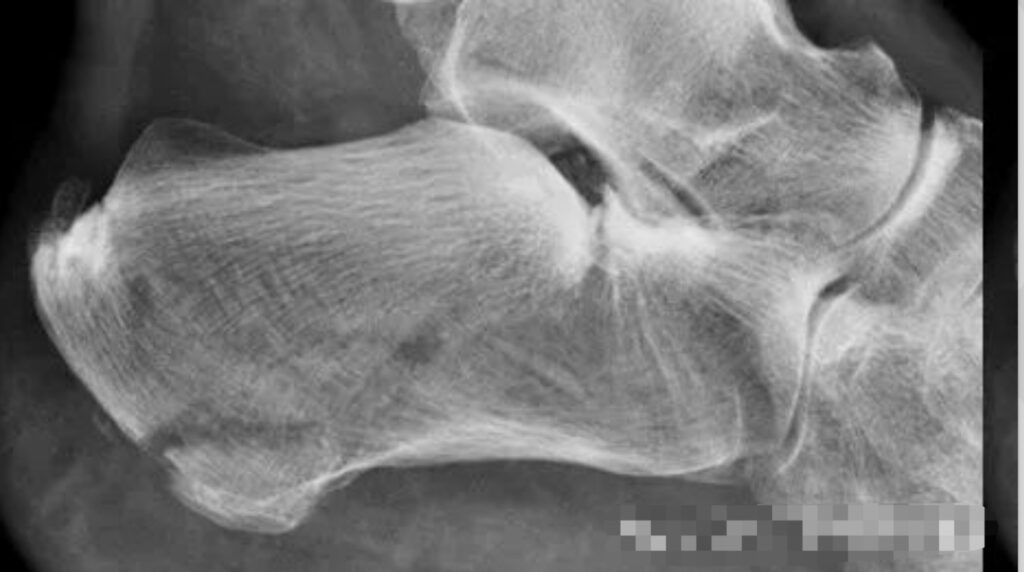
Classifies calcaneus fractures into two types – Joint Depression-type and Tongue-type. Primary fracture line is oblique from lateral to medial through the posterior facet dividing it into two fragments The secondary fracture line determines the type:Tongue-type – secondary fracture line exits at the posterior aspect of the tuberosity, articular fragment remains attached to the tuberosity […]
Surgical procedure illustration | Posterolateral approach internal fixation for posterior ankle fracture
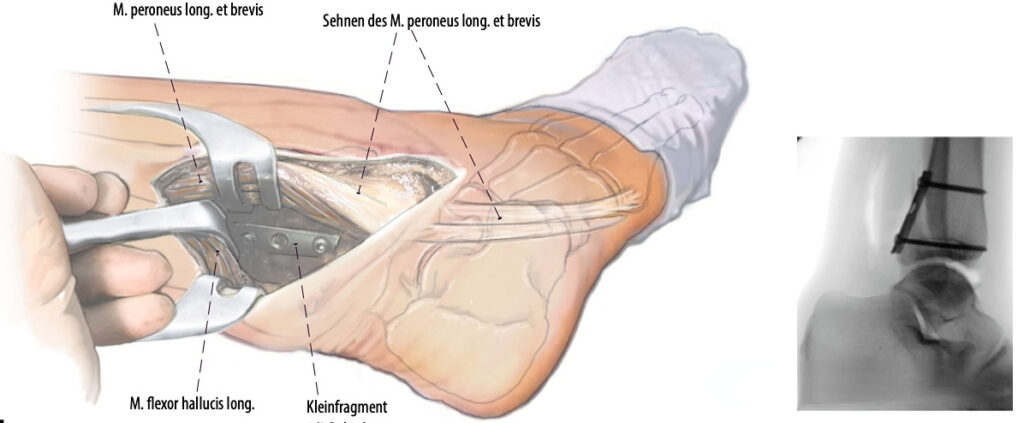
Volkmann #fracture, also known as posterior #malleolus fracture, is an avulsion fracture of the posterior tibiofibular ligament at the starting point of the tibia. The fracture fragment may or may not involve the posterior malleolus joint surface. In the original report by German doctor Volkmann in 1875, Volkmann fracture actually described an avulsion fracture of […]